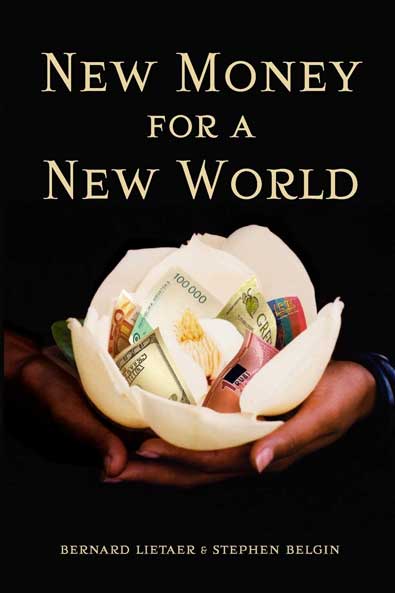

New Money For a New World
Bernard Lietaer & Stephen Belgin
We can create a better world where life and all living systems flourish. This is not an idealistic dream, but is rather a pragmatic attainment, achievable within our very own lifetime. So write Bernard Lietaer and Stephen Belgin, authors of the much anticipated book New Money for a New World. Mr. Lietaer is a principal architect of the euro and author of the acclaimed international best seller The Future of Money, which has been translated into sixteen languages. Mr. Belgin is the founder and president of Qiterra Press and author of the upcoming City of Light Chronicles. New Money for a New World examines a previously unexamined culprit for the many issues we face today-the monopoly of our centuries old monetary system. This book also provides many ways and means that are now readily available to stop the current juggernaut towards global self destruction. Many of the solutions offered within this book are more than theory. Communities from around the world have successfully addressed a myriad of issues without the need to raise taxes, redistribute wealth, or depend upon enlightened self interest from corporate entities. Rather the improvements were realized simply and effectively by rethinking money. With such a shift everything is possible.
Related Video
Related Resources
Capitialism & Philanthropy
A look at the darker side of MrBeast’s philanthropy and the wider philanthrocapitalist model it's a part of.

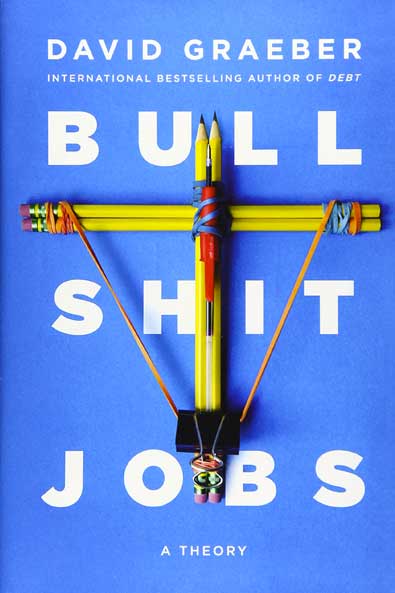
Bullshit Jobs: A Theory
From best-selling writer David Graeber, a powerful argument against the rise of meaningless, unfulfilling jobs and their consequences.
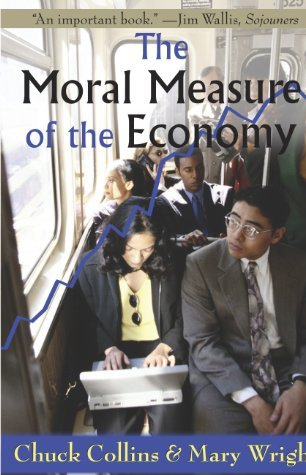
The Moral Measure of the Economy
November 20, 2013 Chuck Collins & Mary Wright In this clear and penetrating book, Chuck Collins and Mary Wright draw on principles of Catholic Social Teaching to evaluate our economy
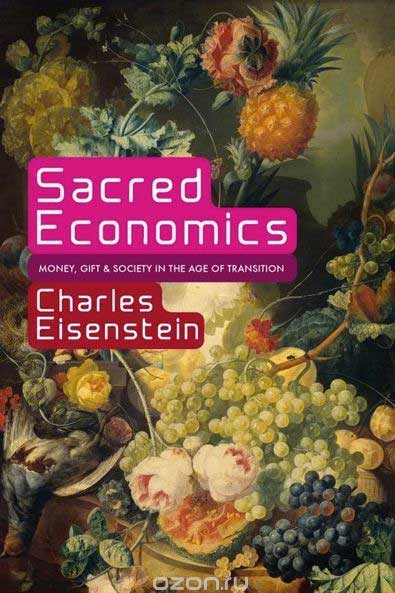
Sacred Economics
Sacred Economics traces the history of money from ancient gift economies to modern capitalism, revealing how the money system has contributed to alienation, competition, and scarcity; destroyed community; and necessitated endless growth. Today, these trends have reached their extreme - but in the wake of their collapse, we may find great opportunity to transition to a more connected, ecological, and sustainable way of being.