
Capitialism & Philanthropy
A look at the darker side of MrBeast’s philanthropy and the wider philanthrocapitalist model it's a part of.

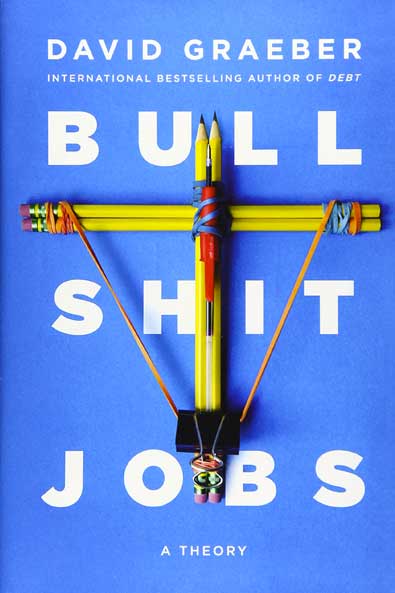
Bullshit Jobs: A Theory
From best-selling writer David Graeber, a powerful argument against the rise of meaningless, unfulfilling jobs and their consequences.
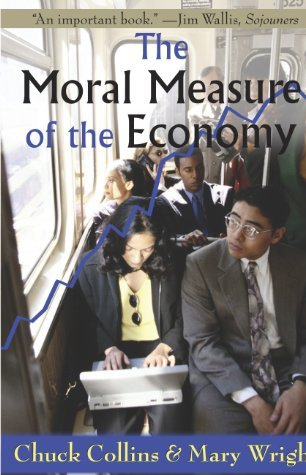
The Moral Measure of the Economy
November 20, 2013 Chuck Collins & Mary Wright In this clear and penetrating book, Chuck Collins and Mary Wright draw on principles of Catholic Social Teaching to evaluate our economy
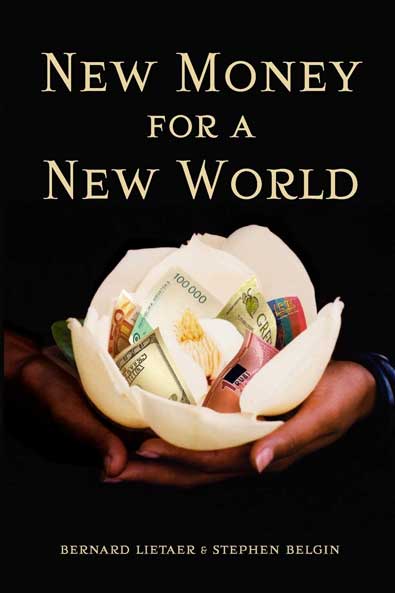
New Money For a New World
We can end the threats to our environment and aid dramatically in its restoration. We can help provide meaningful work for all, with opportunities that enhance and replenish the world about us. We can effectively address fundamental urban and rural concerns and the many diverse and often-divergent needs of developing and developed nations alike. We can create a better world where life and all living systems flourish. This is not an idealistic dream, but is rather a pragmatic attainment, achievable within our very own lifetimes.
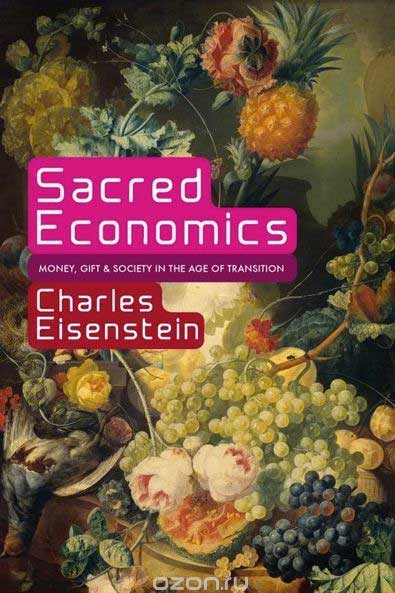
Sacred Economics
Sacred Economics traces the history of money from ancient gift economies to modern capitalism, revealing how the money system has contributed to alienation, competition, and scarcity; destroyed community; and necessitated endless growth. Today, these trends have reached their extreme - but in the wake of their collapse, we may find great opportunity to transition to a more connected, ecological, and sustainable way of being.
