
Capitialism & Philanthropy
A look at the darker side of MrBeast’s philanthropy and the wider philanthrocapitalist model it's a part of.

Jung, Maslow and Meaning
March 24, 2019 Gary Lachman Jung famously remarked that the majority of people who came to him were not suffering from any neurosis or other psychological disorder, but from a
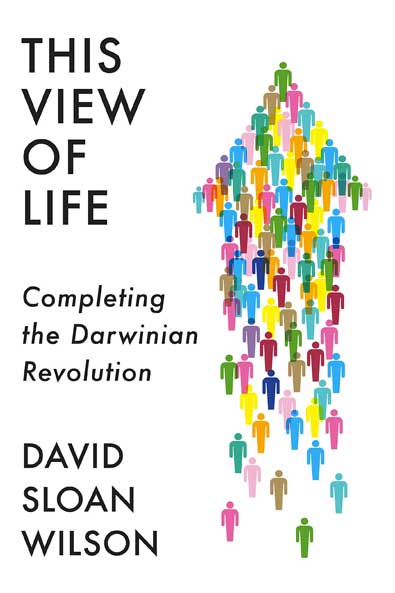
This View of Life
Completing the Darwinian Revolution
It is widely understood that Charles Darwin’s theory of evolution completely revolutionized the study of biology. Yet, according to David Sloan Wilson, the Darwinian revolution won’t be truly complete until it is applied more broadly—to everything associated with the words “human,” “culture,” and “policy.”
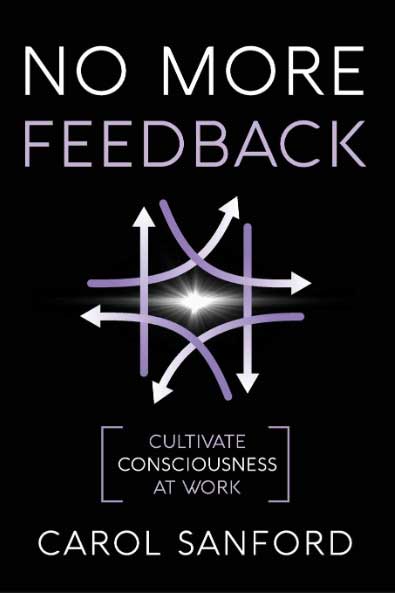
No More Feedback
Cultivate Consciousness at Work
Does feedback improve the bottom line of a company?
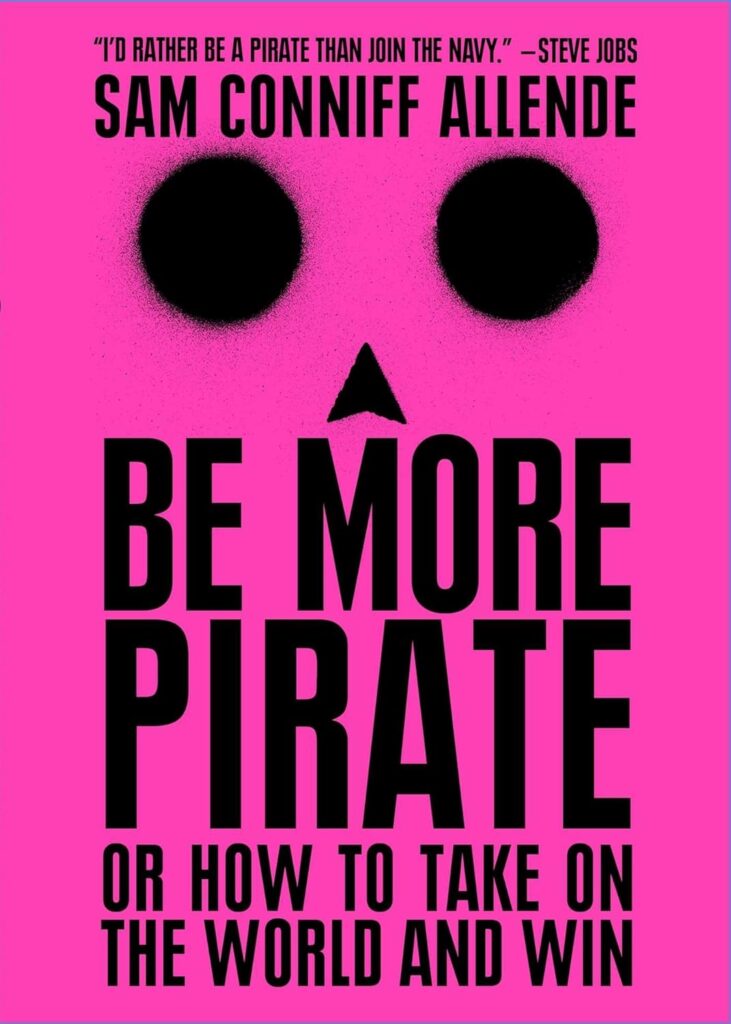
Be More Pirate
Pirates didn’t just break the rules, they rewrote them. They didn’t just reject society, they reinvented it. Pirates didn’t just challenge the status-quo, they changed every f*cking thing. Pirates faced a self-interested establishment, a broken system, industrial scale disruption, and an uncertain future. Sound familiar?
“I’d rather be a pirate than join the navy.”—Steve Jobs
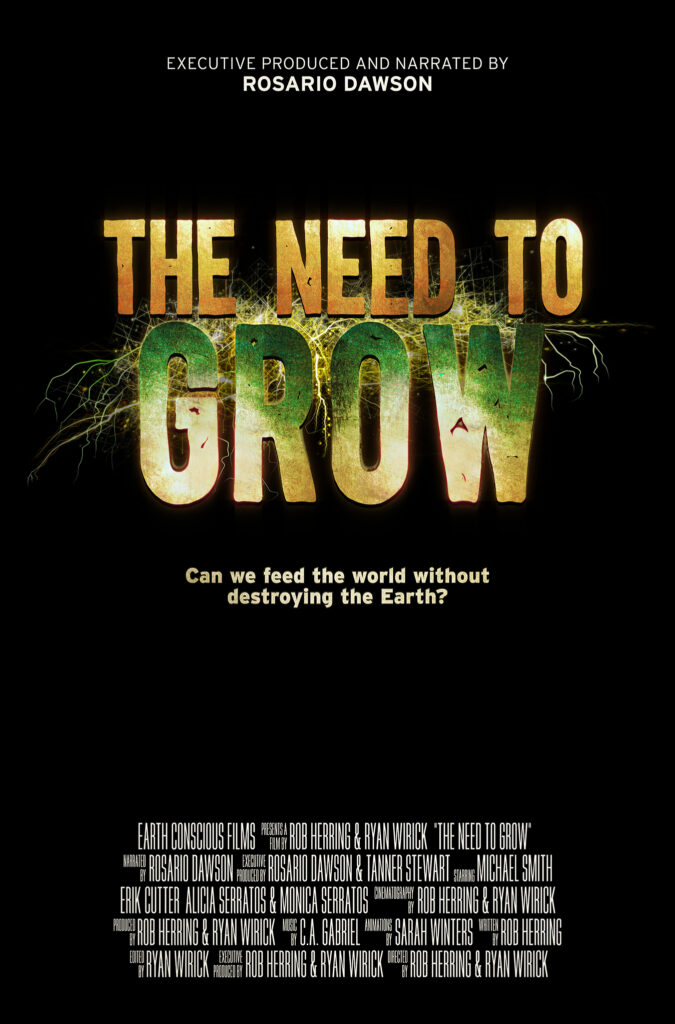
The Need to Grow
The Need to Grow, a documentary movie is available to stream now. Watch it on Prime Video.
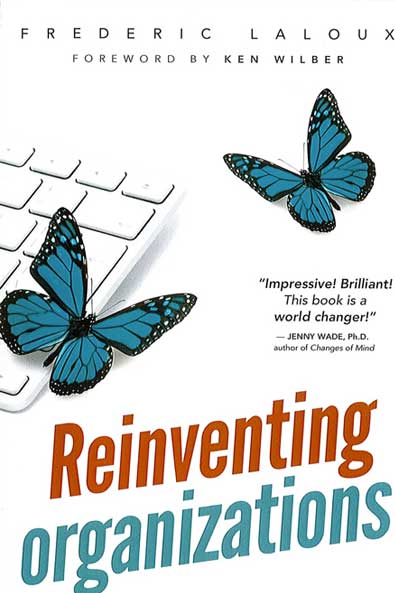
Reinventing Organizations
A Guide to Creating Organizations Inspired by the Next Stage in Human Consciousness
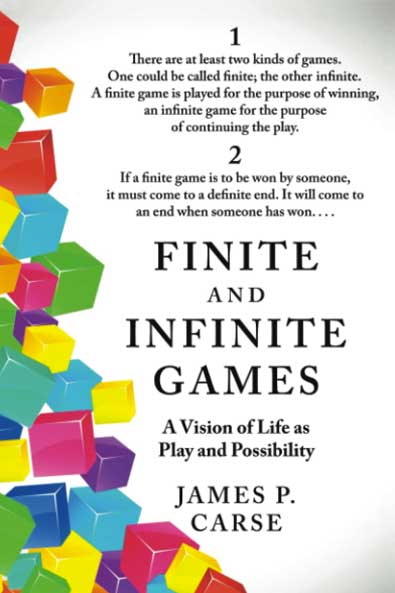
Finite and Infinite Games
January 5, 2013 James Carse Finite games are the familiar contests of everyday life; they are played in order to be won, which is when they end. But infinite games

On Being Wrong
March 1, 2011 Kathryn Schulz Most of us will do anything to avoid being wrong. But what if we’re wrong about that? “Wrongologist” Kathryn Schulz makes a compelling case for
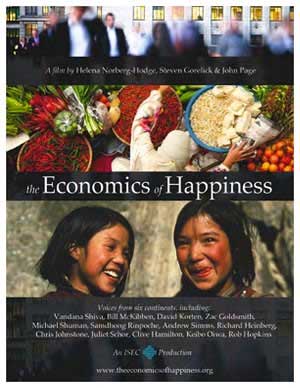
Economics of Happiness
Our award-winning film spells out the social, spiritual, and ecological costs of today’s global economy while highlighting the multiple benefits of economic localization.

A People’s History of the United States
For much of his life, historian Howard Zinn chronicled American history from the bottom up, throwing out the official version taught in schools - with its emphasis on great men in high places - to focus on the street, the home, and the workplace.
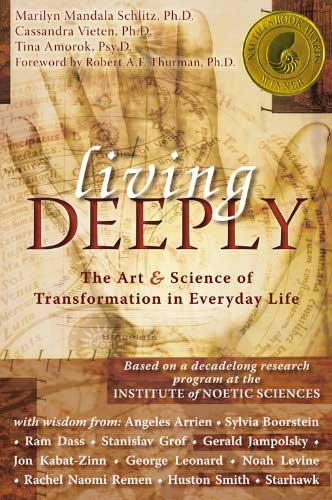
Living Deeply
Living Deeply transcends any one approach by focusing on common elements of transformation across a variety of traditions, while affirming and supporting the diversity of approaches across religious, spiritual, scientific, academic, and cultural backgrounds. Each chapter in the audiobook ends with Experiences of Transformation, exercises drawn from wisdom traditions or scientific investigations meant to enhance your direct experience of the material.
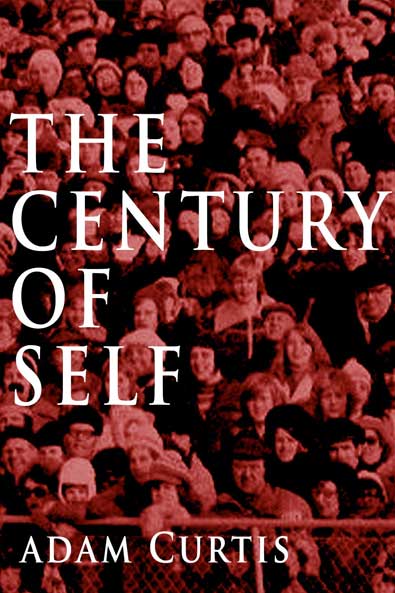
The Century of Self
March 17, 2002 The Century of Self The Century of the Self is a 2002 British television documentary series by filmmaker Adam Curtis. It focuses on the work of psychoanalysts
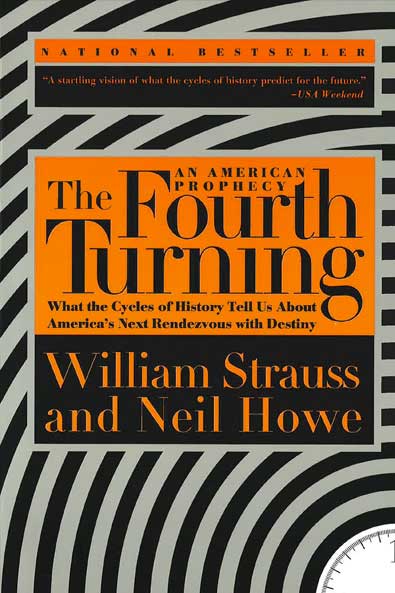
The Fourth Turning
An American Prophecy - What the Cycles of History Tell Us About America's Next Rendezvous with Destiny
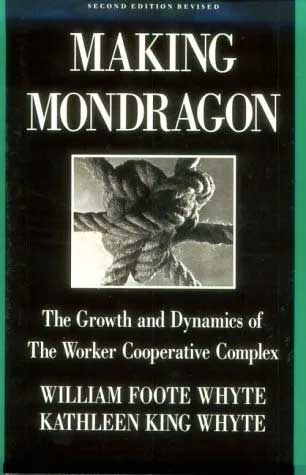
Making Mondragon
Since its founding in 1956 in Spain's Basque region, the Mondragón Corporation has been a touchstone for the international cooperative movement. Its nearly three hundred companies and organizations span areas from finance to education.
