
A groundbreaking exploration of why we want what we want, and a toolkit for freeing ourselves from chasing unfulfilling desires.
Gravity affects every aspect of our physical being, but there’s a psychological force just as powerful – yet almost nobody has heard of it. It’s responsible for bringing groups of people together and pulling them apart, making certain goals attractive to some and not to others, and fueling cycles of anxiety and conflict. In Wanting, Luke Burgis draws on the work of French polymath René Girard to bring this hidden force to light and reveals how it shapes our lives and societies.
According to Girard, humans don’t desire anything independently. Human desire is mimetic – we imitate what other people want. This affects the way we choose partners, friends, careers, clothes, and vacation destinations. Mimetic desire is responsible for the formation of our very identities. It explains the enduring relevancy of Shakespeare’s plays, why Peter Thiel decided to be the first investor in Facebook, and why our world is growing more divided as it becomes more connected.
Wanting also shows that conflict does not arise because of our differences – it comes from our sameness. Because we learn to want what other people want, we often end up competing for the same things. Ignoring our large similarities, we cling to our perceived differences.
Drawing on his experience as an entrepreneur, teacher, and student of classical philosophy and theology, Burgis shares tactics that help turn blind wanting into intentional wanting – not by trying to rid ourselves of desire, but by desiring differently. It’s possible to be more in control of the things we want, to achieve more independence from trends and bubbles, and to find more meaning in our work and lives.
The future will be shaped by our desires. Wanting shows us how to desire a better one.
Related Video
Related Resources
Jung, Maslow and Meaning
March 24, 2019 Gary Lachman Jung famously remarked that the majority of people who came to him were not suffering from any neurosis or other psychological disorder, but from a
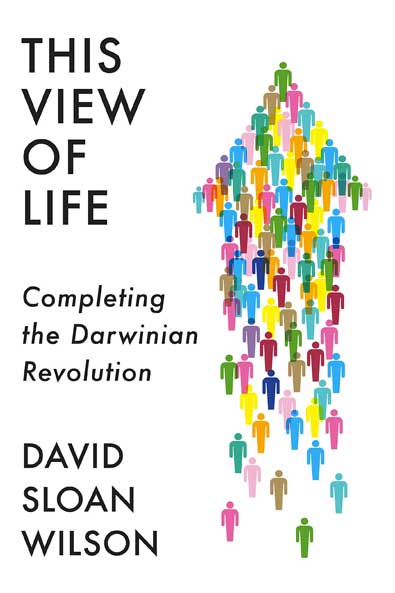
This View of Life
Completing the Darwinian Revolution
It is widely understood that Charles Darwin’s theory of evolution completely revolutionized the study of biology. Yet, according to David Sloan Wilson, the Darwinian revolution won’t be truly complete until it is applied more broadly—to everything associated with the words “human,” “culture,” and “policy.”
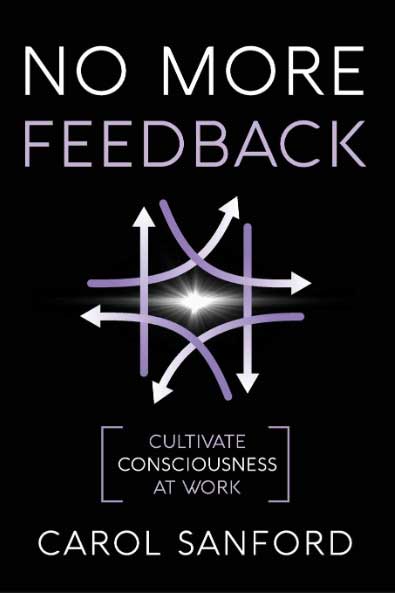
No More Feedback
Cultivate Consciousness at Work
Does feedback improve the bottom line of a company?
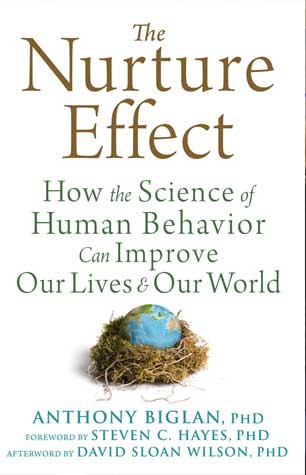
The Nurture Effect
How the Science of Human Behavior Can Improve Our Lives and Our World
An Everyone Culture
A Radical New Model for Unleashing Your Company’s Potential
Finite and Infinite Games
January 5, 2013 James Carse Finite games are the familiar contests of everyday life; they are played in order to be won, which is when they end. But infinite games

On Being Wrong
March 1, 2011 Kathryn Schulz Most of us will do anything to avoid being wrong. But what if we’re wrong about that? “Wrongologist” Kathryn Schulz makes a compelling case for