

The Utopia of Rules
David Graeber
Where does the desire for endless rules, regulations, and bureaucracy come from? How did we come to spend so much of our time filling out forms? And is it really a cipher for state violence?
To answer these questions, the anthropologist David Graeber—one of our most important and provocative thinkers—traces the peculiar and unexpected ways we relate to bureaucracy today, and reveals how it shapes our lives in ways we may not even notice…though he also suggests that there may be something perversely appealing—even romantic—about bureaucracy.
Leaping from the ascendance of right-wing economics to the hidden meanings behind Sherlock Holmes and Batman, The Utopia of Rules is at once a powerful work of social theory in the tradition of Foucault and Marx, and an entertaining reckoning with popular culture that calls to mind Slavoj Zizek at his most accessible.
An essential book for our times, The Utopia of Rules is sure to start a million conversations about the institutions that rule over us—and the better, freer world we should, perhaps, begin to imagine for ourselves.
Related Video
Related Resources
Prosocial
Using Evolutionary Science to Build Productive, Equitable and Collaborative Groups
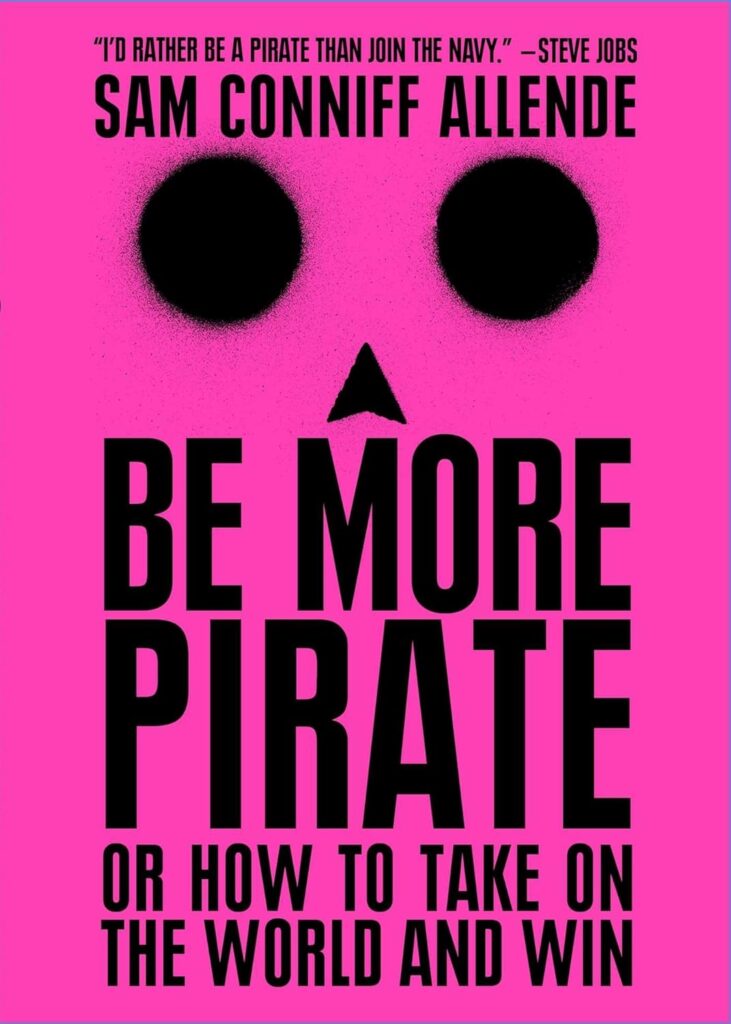
Be More Pirate
Pirates didn’t just break the rules, they rewrote them. They didn’t just reject society, they reinvented it. Pirates didn’t just challenge the status-quo, they changed every f*cking thing. Pirates faced a self-interested establishment, a broken system, industrial scale disruption, and an uncertain future. Sound familiar?
“I’d rather be a pirate than join the navy.”—Steve Jobs
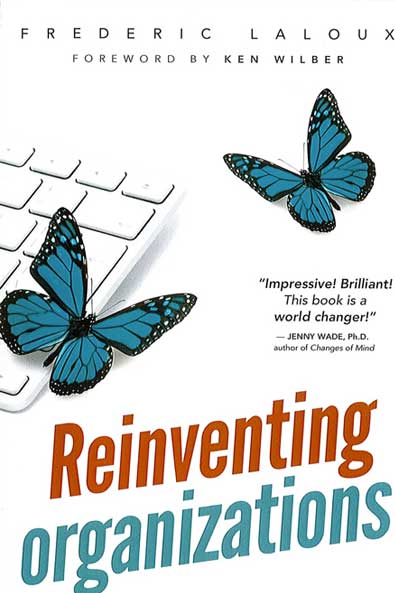
Reinventing Organizations
A Guide to Creating Organizations Inspired by the Next Stage in Human Consciousness
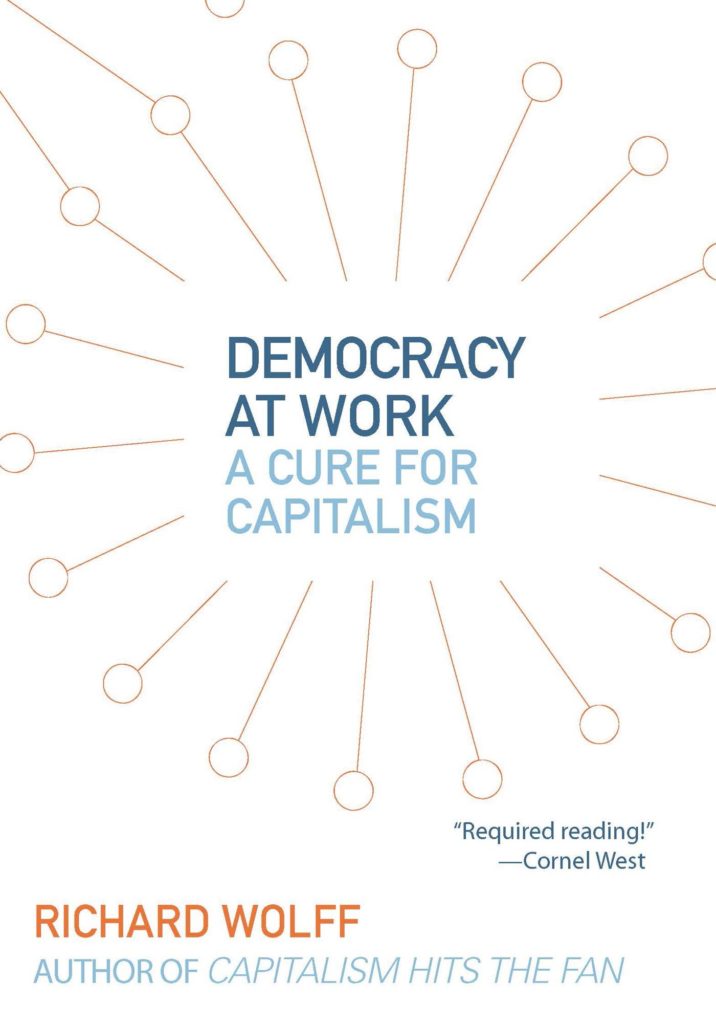
Democracy at Work
What if we took our democratic decision making process and brought it into the workplace?

Making Mondragon
Since its founding in 1956 in Spain's Basque region, the Mondragón Corporation has been a touchstone for the international cooperative movement. Its nearly three hundred companies and organizations span areas from finance to education.
